Finding the High Point of a Floor Before Hanging Cabinets
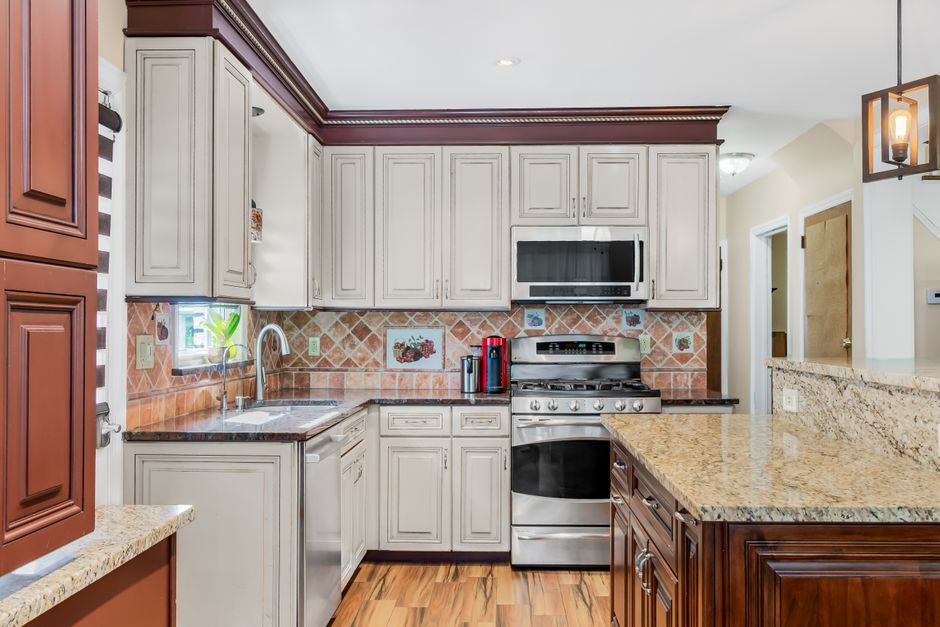
Nothing about a kitchen floor in Austin, TX is flat, and a cabinet run hung from the wrong point shows it within a week. Every set of base cabinets starts with a decision about where zero is, and the running record cabinet installation austin seahaven inc holds shows that decision made on the floor, not in the corner. The crew lays a long level across the room and finds the high point before a single carcass leaves the garage.
Reading the Slab With a Long Level
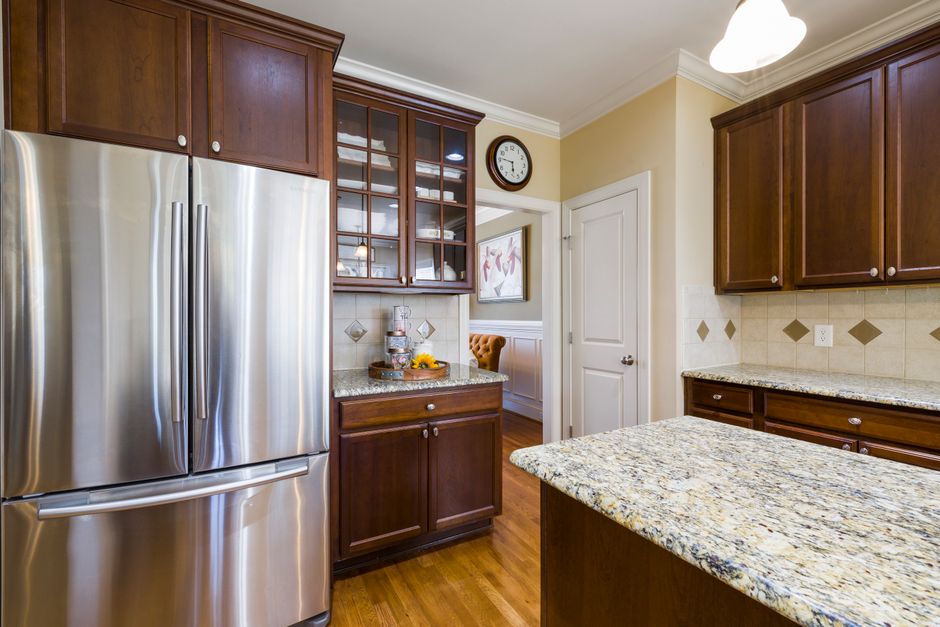
A four foot level lies about a kitchen floor because it only reports on four feet. Crews use the longest straightedge that fits the room, set it on edge along the wall where the base cabinets will sit, and pencil a mark wherever it rocks. The spot where it rocks least is the high point. On a poured slab over Austin clay, the high and low ends of one wall can differ by half an inch, enough to open a seam in a face frame.
Marking the Level Line on the Wall
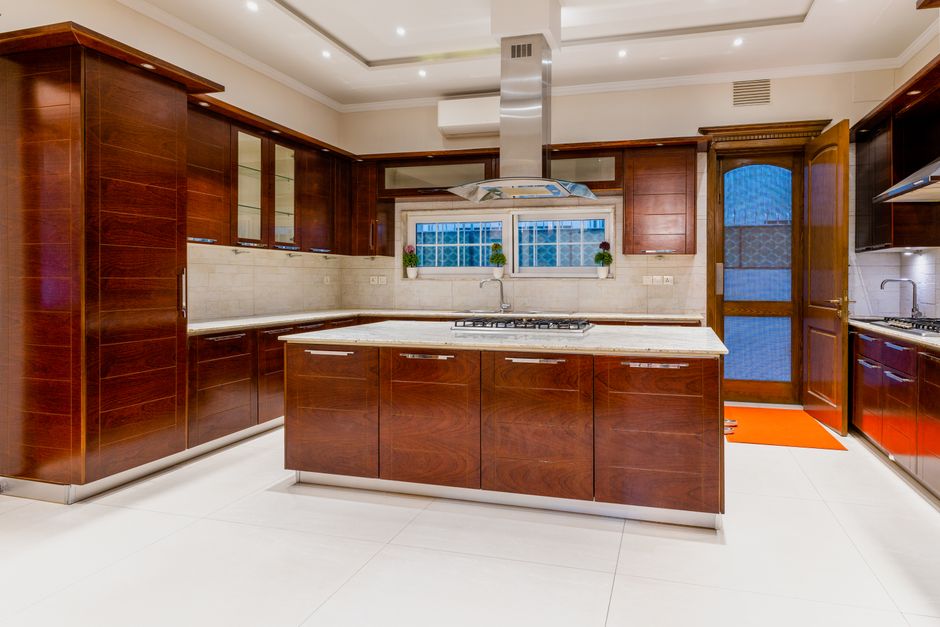
From the high point, a crew measures up the wall to the top of the base cabinet height and strikes a level line across every wall in the run. The line carries around corners so the whole room agrees with itself, and it becomes the reference for the countertop, the wall cabinet run and every shim. A stud finder goes along the same wall at this stage so stud centers can be marked just above the line, out of sight of the finished face.
Why the Run Starts at the High Point
Starting at the corner is natural and usually wrong. If the corner sits low, the first carcass is built up with shims, and every box after it inherits a slope. Starting at the high point means the first box sits nearly on the slab, and the lower boxes climb toward the line with shims under the plywood box. A crew can add height with a shim but cannot take it away without cutting the toe kick. Near Lady Bird Lake, oak flooring follows the settled slab, so the level line wins over the floor.
Older Floors in Hyde Park and Travis Heights
Bungalows in Hyde Park and Travis Heights often sit on pier and beam foundations, and the kitchen floor may drop toward an exterior wall by half an inch. The high point may sit in the middle of the room instead of at a wall.
Checking the Line Before Anything Is Fastened
Before a screw goes in, the crew holds the first base cabinet at its mark and checks it front to back, side to side, and against the level line. If the box and the line disagree, the shims change, not the line. Frameless boxes tolerate less racking than a face frame cabinet, so a frameless run needs the line even more.