Crown Molding and Filler Strips That Close the Last Gaps
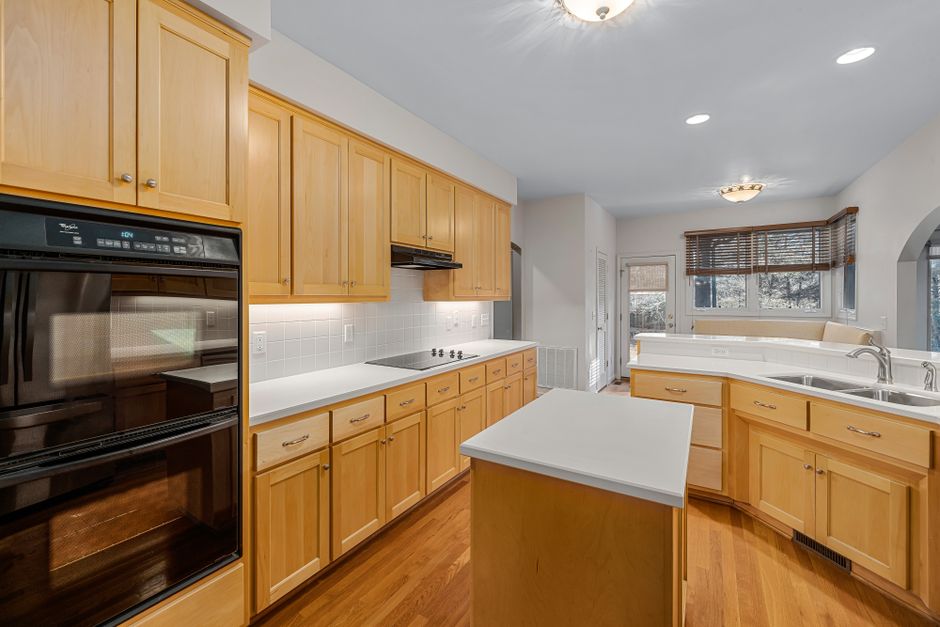
Nothing about the end of a cabinet run is square, and the last inch of work decides whether the kitchen looks built or assembled. A run of cabinets ends at the ceiling and the walls, and the trim work (the notes at cabinet installation austin seahaven inc call it the closing stage) takes the most patience of any step. Filler strips, scribe molding and crown molding handle the places where the boxes stop and the house begins, in Austin kitchens old and new.
What a Filler Strip Does

A filler strip is a plain board that fills the gap between the last cabinet and a wall, or between two boxes that meet at a corner. It is cut from the same stock as the face frame, usually hardwood such as maple, and is ripped narrower than the gap and scribed to fit. It keeps a drawer from hitting a wall and a door from hitting a handle.
Scribe Molding at the Edges

Scribe molding is a thin quarter round or small strip that covers the seam where a cabinet side meets a wall that is not flat. Clarksville bungalows with wavy plaster use it often, and Mueller homes with straighter drywall need it less. It is nailed to the cabinet, not the wall, and it flexes to hug the surface.
Crown Molding and a Ceiling That Dips
Ceilings in older Austin houses can dip an eighth of an inch or more across a room. A cabinet crown molding run must bridge that dip, so the crew cuts the bottom edge to follow the cabinet top and lets the top edge follow the ceiling. A scribed strip, sometimes called a light rail return, hides the difference. Stacking the crown in two pieces on a tall wall disguises a dip better than one wide board.
Coping the Corners
Inside corners on crown molding are coped, not mitered, because walls are rarely a true ninety degrees and a coped joint stays closed when the wood moves. The first piece runs square into the corner, and the second is cut to the profile of the first with a coping saw. Oak and birch cope well, while mdf crown can chip. Outside corners are mitered and glued, and a few small brads hold them while the glue sets.
Questions to Ask a Crew Before Work Starts
Ask whether the filler strips are scribed or just cut straight, whether crown molding is coped at inside corners, and how the crew plans to handle a ceiling that is not level. A crew that answers in terms of the actual wall has done the work before. A crew that answers vaguely may be planning a thick bead of caulk to hide a poor fit.