Scribing Cabinets to Wavy Plaster Walls in Older Austin Houses
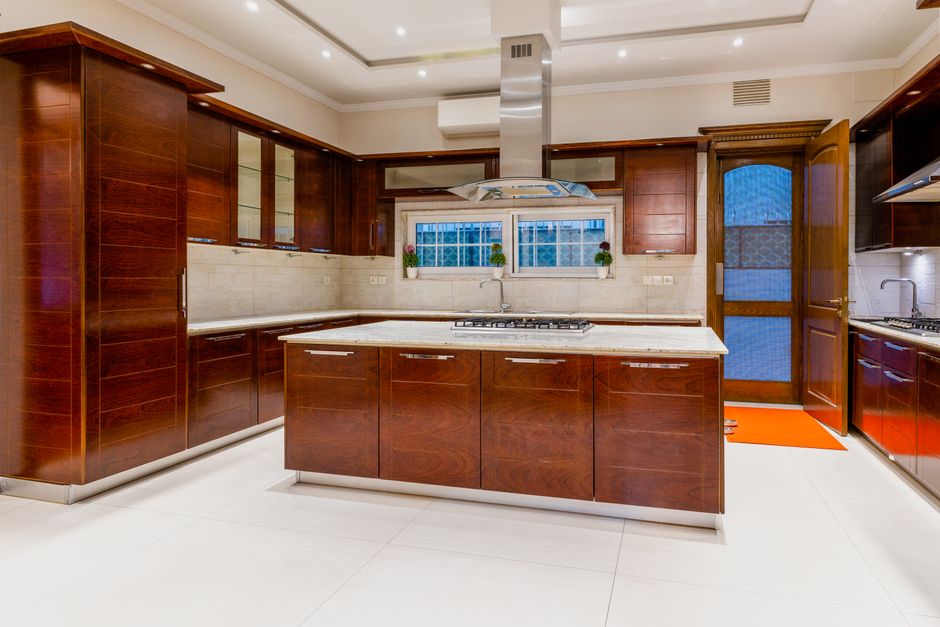
The wall is supposed to be flat. In a Hyde Park bungalow it rarely is, and a cabinet set against it shows every wave as a gap behind the face frame. Plaster in an Austin house from the 1930s was troweled by hand over lath or limestone, and cabinet installation austin seahaven inc treats scribing as part of the order of work, not an afterthought. The cabinet is hung first, and the filler strip is cut to the wall afterward.
Why Plaster Is Never Flat
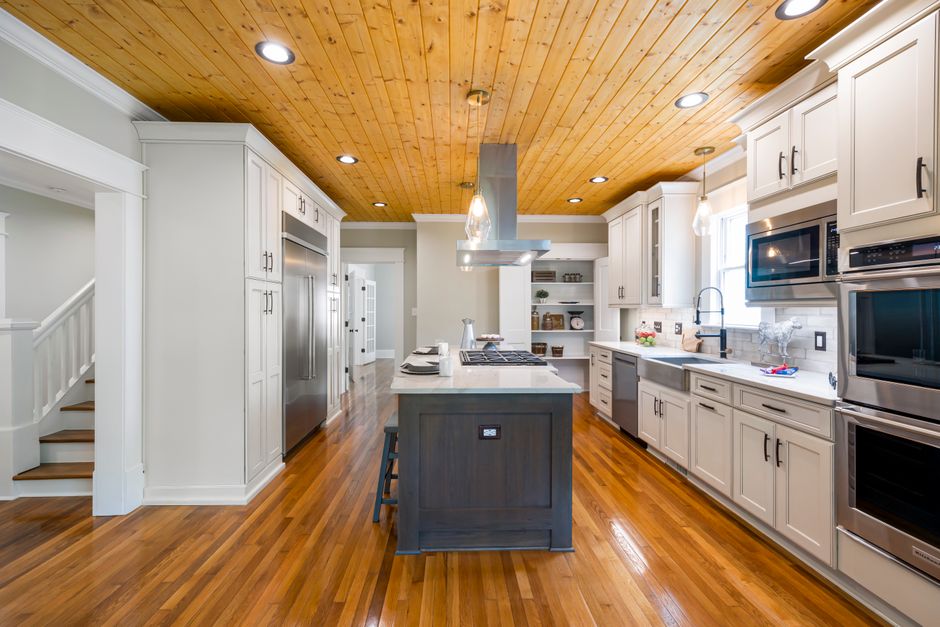
Hand troweled plaster follows the hand that laid it. Corners round off, a wall bows near a window, and decades of settling have bent the studs behind it. Houses in Clarksville and Travis Heights often carry layers of paint that have filled and hidden these waves. A straightedge held against the wall shows a gap of an eighth of an inch in one spot and a quarter inch in another, and a cabinet run has to cover all of it.
Setting the Filler Strip Proud of the Wall
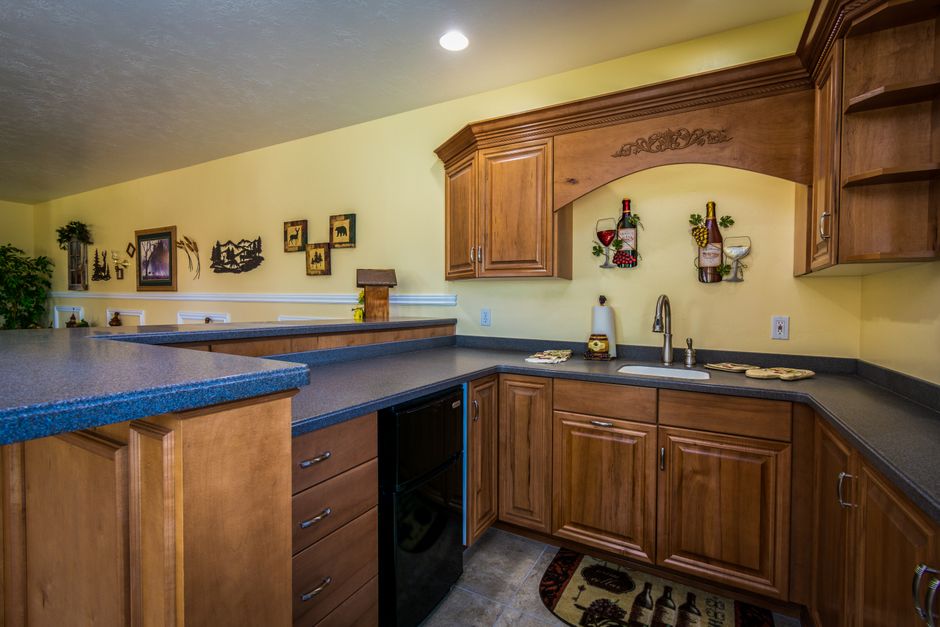
A filler strip, a thin hardwood board in the same finish as the face frame, is fastened to the cabinet edge and left wider than the gap. It stands slightly proud of the wall at every point. That extra width is what gets removed. Maple or oak filler works well, and a paint grade mdf strip can stand in on a painted run, though it is cut with a finer blade to keep the edge clean.
Pencil Scribing to the Line
The crew sets a compass or a scribe tool to the widest gap, holds one leg against the plaster, and drags the other along the face of the strip. The pencil copies every wave onto the wood. Painter's tape under the pencil line keeps the mark readable on dark finishes. The strip is then pulled off the cabinet or cut in place, depending on the style of the run.
Belt Sanding to the Line
A jigsaw takes off most of the extra, and a belt sander brings the edge to the pencil line with a slight back bevel. The bevel lets the front of the strip meet the wall first, so the visible joint is tight even if the back is open a hair. Birch plywood edges chip quickly, so a sanding block finishes them. Sand to the line and no further, because a strip taken past the pencil needs a new piece.
Checking the Fit
The strip goes back against the wall, and a light held behind it shows any gap. A thin line of paintable caulk closes what remains, and it is the only caulk in the job that is meant to be seen. Older homes near Tarrytown and Mount Bonnell sometimes have limestone block walls that are even less true than plaster, so the scribe is wider and the cutting slower. The work takes patience, and a rushed scribe shows from across the room.